
What is Spirulina?
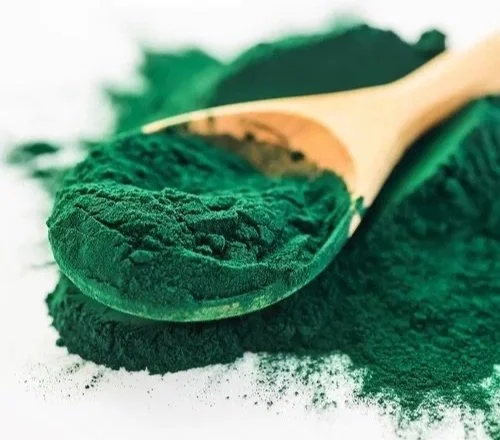
Spirulina is a nutrient-dense, edible micro algae that has been consumed as food for centuries and is now recognised globally for its exceptional nutritional value.
Unlike many modern nutrition products, spirulina is a whole food, not a synthetic supplement. It grows naturally in freshwater environments and can be cultivated sustainably with minimal land, water, and energy, making it uniquely suited to today’s food and nutrition challenges.
At E2G FOOD, spirulina plays a central role in how we think about nutrition: not as a luxury, but as a fundamental human need.
Where Does Spirulina Come From?
Spirulina grows naturally in warm, alkaline freshwater lakes and has historically been harvested in parts of Africa and Central America. Today, it is cultivated in controlled environments using simple, scalable systems, like our microfarm in Zimbabwe that is providing communities with nutrition, enterprise and education through a partnership with the Gwebi Agricultural College.
This ability to grow spirulina locally is key to its impact. It means nutrient-rich food can be produced close to the communities that need it most, reducing reliance on long supply chains and imported aid.
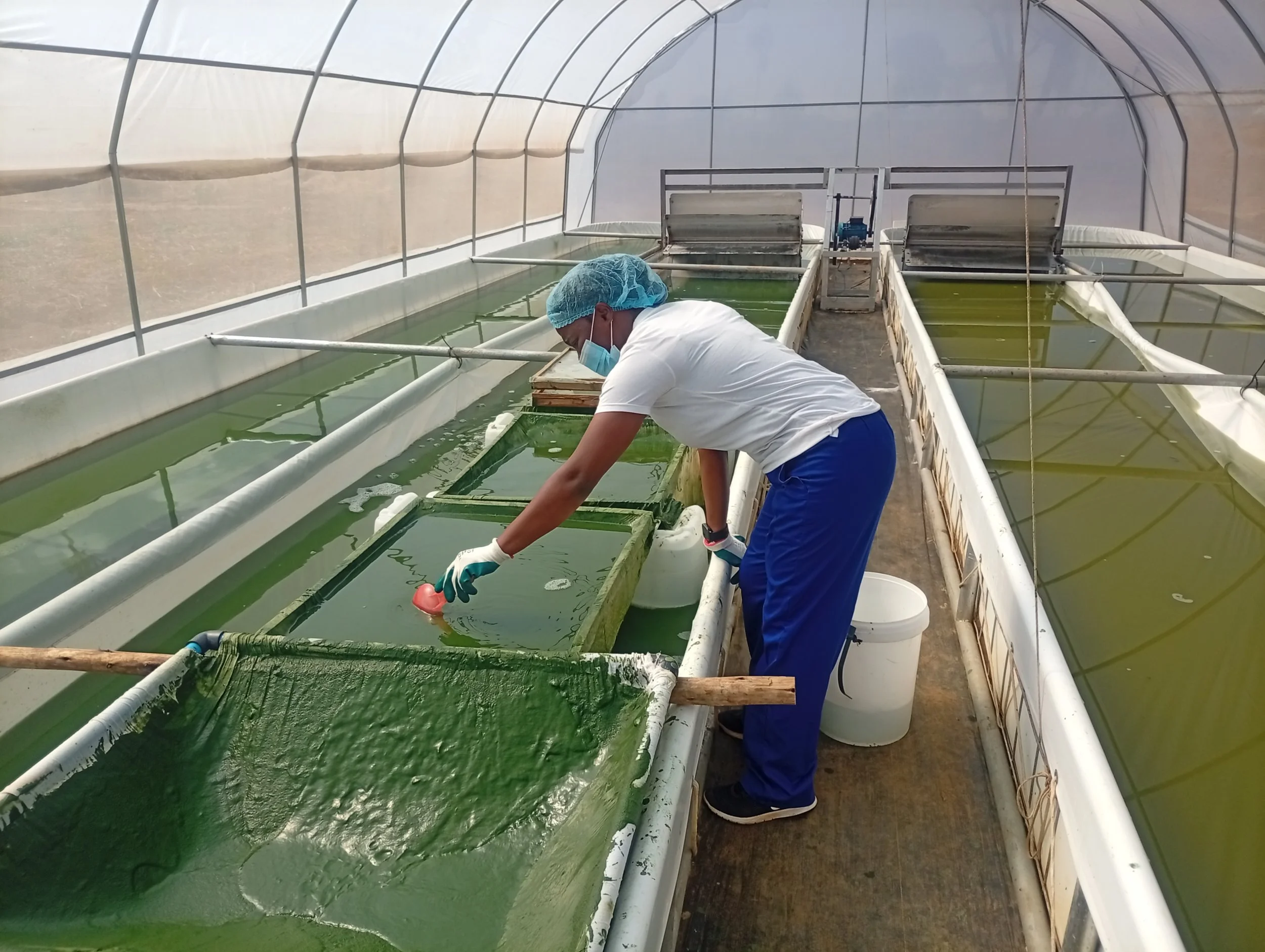
E2G’s spirulina microfarm in Harare, Zimbabwe supporting livelihoods and educating the next generation on nutrition.
Is Spirulina Food or a Supplement?
Spirulina is food.
While it is often marketed in capsule or tablet form in high-income countries, spirulina itself is a whole, edible ingredient that can be incorporated into everyday foods such as porridges, breads, and nutrition bars.
International organisations, including the World Health Organisation, have recognised spirulina as a valuable food source due to its high nutrient density and digestibility.
What Nutrients Does Spirulina Contain?
Spirulina is valued for delivering a wide range of essential nutrients in a small serving size.
It naturally contains:
Complete protein, including all essential amino acids
Iron and other key minerals
B vitamins
Antioxidants
Essential fatty acids
Because of this profile, spirulina is especially relevant in contexts where people may be consuming enough calories but not enough nutrients.
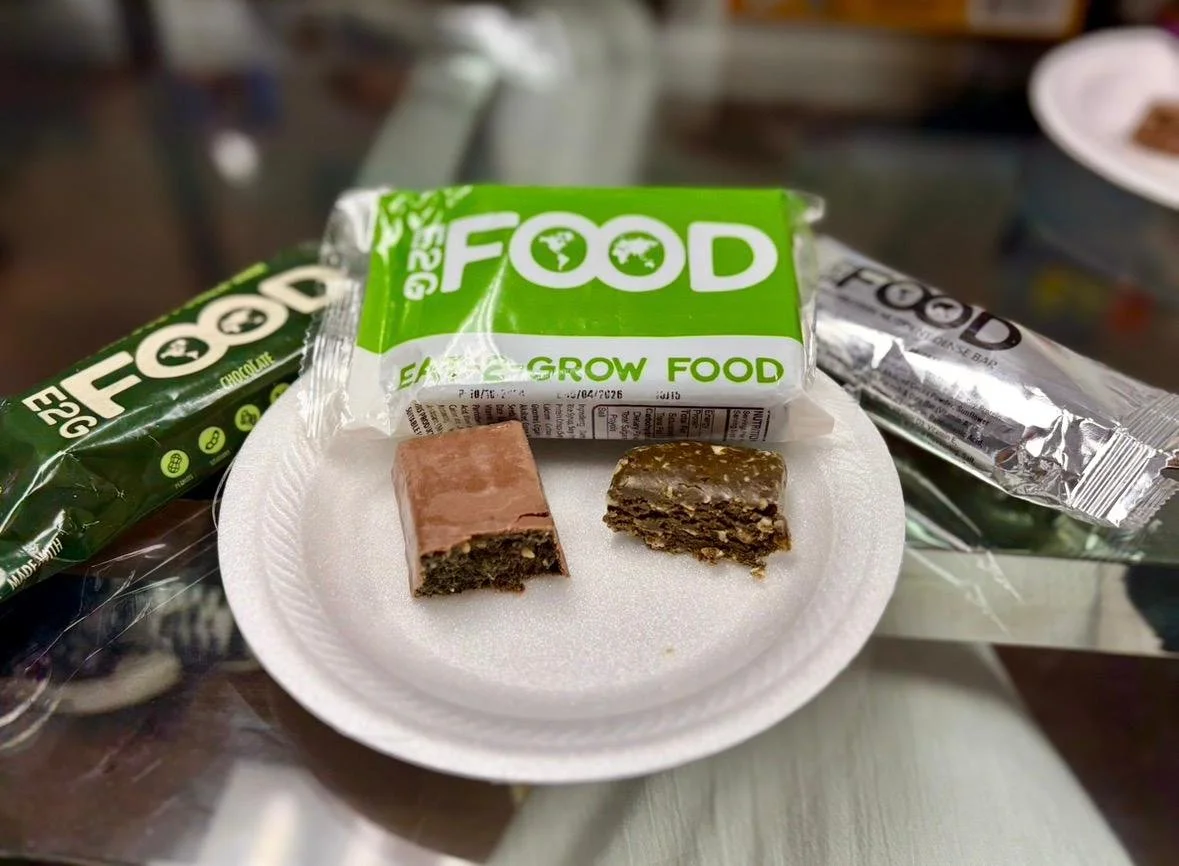
Spirulina is in our E2G FOOD bars making them dark green in colour and packing them with protein and minerals.
Why Spirulina Matters in a World Facing Malnutrition
Today, global hunger is rising, but the challenge is not only about food quantity. It is about food quality.
Many people experiencing food insecurity suffer from protein and micronutrient deficiencies that weaken immune systems, limit child development, and slow recovery during illness or crisis. Spirulina’s nutrient density makes it a powerful tool in addressing these hidden forms of hunger.
Crucially, spirulina does not require cooking, refrigeration, or complex preparation, making it suitable for use in emergency and low-resource settings.
Spirulina as Part of a Nutrition Solution
On its own, spirulina is not a silver bullet. But when integrated into thoughtfully designed foods and local nutrition systems, it can make a measurable difference.
At E2G FOOD, we use spirulina as part of a broader approach to:
Improve nutrition quality, not just calorie intake
Support emergency response and recovery
Enable local production and community empowerment