Tackling global hunger with nutritious food, delivered with proof
Every FOOD bar donated is tracked from production to the community. Giving donors peace of mind and delivering impact where it is needed.
.jpeg)
Who We Are
E2G FOOD is on a mission to prove that feeding the world's most vulnerable can be transparent, trusted, and locally led. If you believe nutrition is a fundamental right, not a luxury, and that donors deserve to see their impact, you're in the right place.
It began with our founder and CEO, Pete Henderson, a former BBC cameraman who spent years filming war zones, historic moments, and crises. In Sudan, during the famine, he came across a woman and her two children with nothing to eat, and he had nothing he could give. That moment never left him. Years later, he created E2G FOOD.
The Problem We're Solving
The global food crisis demands a new approach and one that combines nutrition, transparency, localisation and seamless ways to donate in everyday life.
Global Hunger Crisis
Over 600 million face chronic hunger and malnutrition every day
Lack of Transparency
1 in 5 potential donors lack trust when donating
Centralised Systems
The world needs more localised solutions from production to distribution
The E2G Solution
Powerful networks working together to transform food aid and build donor trust
FOOD Bars
Ready-to-eat nutrition powered by spirulina, dates, oats, and nuts. One bar provides 250 calories, 15g of protein, and +20 vitamins and minerals for just $2.
- No cooking, water, or refrigeration required
- Complete nutritional profile
- 18-month shelf life for pre-positioned stock

Trackable Donations
Every bar donated is tracked from the factory to the community. From individuals donating through our Tap2Feed network to humanitarian organisations buying FOOD for pre-positioned stock, and corporates supporting feeding programmes as part of Corporate Social Responsibility - we provide 100% traceability.
- Real-time delivery updates
- Photos from the field
- Live impact dashboard

How It Works
We built a platform so you can live track your donation, from the factory to the community it reaches.
Purchase
Choose your donation method: Tap2Feed giving stations, the TrackYourImpact app, our website, or bulk FOOD orders directly with our team. Every contribution is hope restored.
Localised Production
We are building a network of outsourced manufactures so that FOOD is produced closer to the communities it serves.
Trusted Delivery Partners
We donate the FOOD and partner with NGOs, charities, and local organisations who know their community best to deliver the final impact.
Track Impact
Receive updates on your donation journey from start to finish with photos, updates, and verified delivery confirmations.
Stories of Impact since 2025
Thanks to our dedicated global community of FOODIES donating, and partners delivering the final impact, hope has been restored, future's fulled and lives nourished.
USA
15,000 FOOD bars donated and delivered to support disaster relief efforts in Texas, Los Angeles, and North Carolina through our local partners, The Cares Organization, Salvation Army Kerrville, and One805.
Gaza
+100,000 FOOD bars raised and delivered to families facing hunger in Gaza in partnership with the World Central Kitchen.
Myanmar
4,000 items of local FOOD bought for AmCham Myanmar to support victims of the earthquake.
Jamaica
7,500 FOOD bars provided vital nutrition to displaced families from Hurricane Melissa when families were left with no cooking resources.
Emergency Relief
Nearly 20,000 FOOD bars have been raised for disasters around the world. We are working with local partners on the ground in Nepal and Venezuela to deliver nutrition.
Kenya and South Africa
Nearly 5,000 FOOD bars raised for school feeding programmes fuelling children's futures. Our Tap2Feed giving station in Europe and the USA funded FOOD for Kenyan kids.
Philippines
5,000 FOOD bars delivered to local communities facing consistent natural disasters, made possible with our local partners the Cebuana Lhuillier Foundation and the Philippine Disaster Reslience Foundation.
Ukraine
2,000 FOOD bars delivered to Hope to Ukraine supporting families that have fled due to the conflict.
Supporting Programmes
We support any aid or community feeding programmes through bulk FOOD purchased by partners. E2G delivers nutrition and trackable impact.
Our Global Impact
Real numbers, real impact, real transparency-every single bar tracked.
Track Every Bar
Unlike traditional aid, every E2G FOOD bar is tracked from production to the end community. See exactly where your donation goes and the real-time impact it makes.
View Impact Map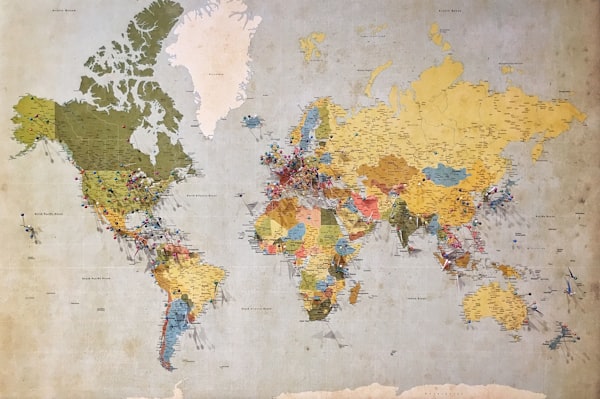
What Our Partners Say
Hear from those making an impact with E2G FOOD
After decades in the nutrition industry, I’ve seen countless products come and go, but E2G FOOD is doing something different. They are not just addressing hunger; they are tackling malnutrition at its core with integrity, innovation, and real food science. I’m proud to be working alongside their team to co-develop a next-generation FOOD bar that delivers complete, evidence-based nutrition. This is the future of food aid, smart, scalable, and truly life-changing.

Daniel Schmitz
Retired Divisional Vice President
Abbott Nutrition
The 15,000 nutrient-dense FOOD bars we received for Gaza provided immediate and meaningful support to those most in need. E2G FOOD went a step further by adapting to cultural preferences by providing a chocolate-coated version that was warmly received by children and families. What stood out even more was the TrackYourImpact app, which gave us full visibility from production to delivery. It's rare to see this level of care, innovation, and transparency in aid distribution.

Jordanian Hashemite Charity Organization
Partnering with E2G FOOD for Mandela Day was deeply meaningful. Their FOOD bars not only nourished vulnerable communities but did so with dignity and innovation. The TrackYourImpact app allowed every donor to witness their contribution come to life in real-time. E2G isn’t just feeding people, they’re revolutionising how we think about giving and impact.

Queen Mokonoto
Executive Director
United Way South Africa
Partnering with E2G FOOD has been an inspiring alignment of mission and purpose. At The Cares Organization, we’re committed to resilience and E2G delivers just that through innovative nutrition solutions and radical transparency. By enabling US-based tax-deductible donations via the TrackYourImpact app, we're bringing our supporters closer than ever to the impact they’re creating. Together, we’re turning generosity into measurable change.

Barbara D’Amato
Founder
The Cares Organization